







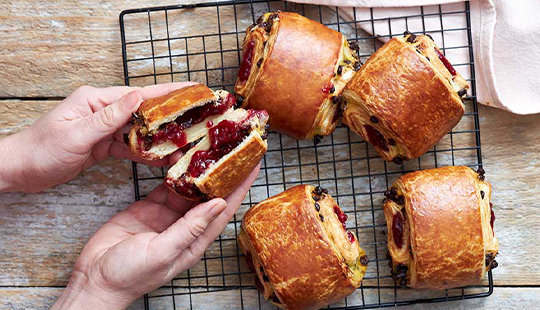



Born in 2014, the Veganuary global initiative has inspired people from all around the world to go fully plant-based each January. Much more than a trend, it has become a chance to connect with curious eaters, flexitarians, and bring fresh energy to those winter weeks. With global growth in the plant-based food market forecast to grow by a CAGR of 12% between 2025 & 2035¹ and Europe accounting for more than 60% of new product developments², Veganuary is no longer a niche market, but a strategic one.
Where do I start?
Veganuary is the perfect moment to lean into plant-based—no full menu overhaul required. First, adapt your offer: simply, smartly, profitably.
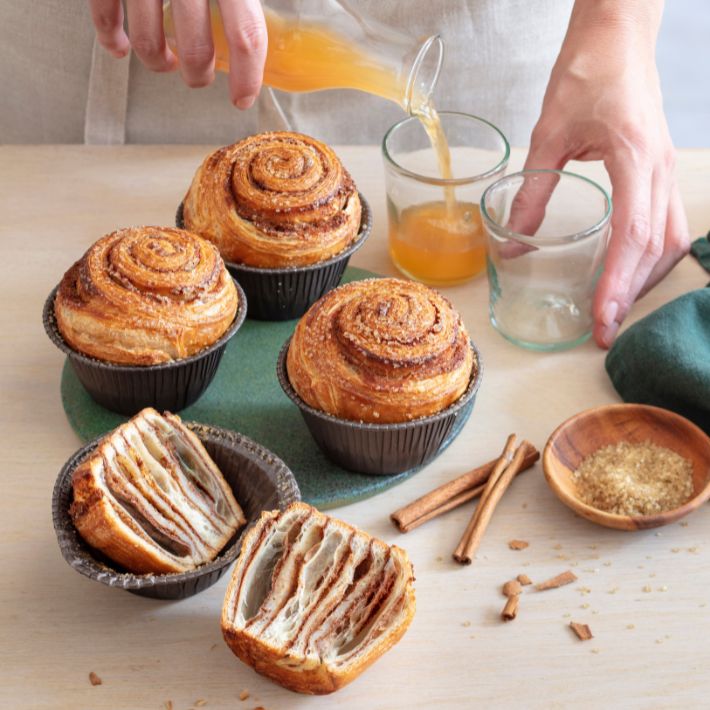
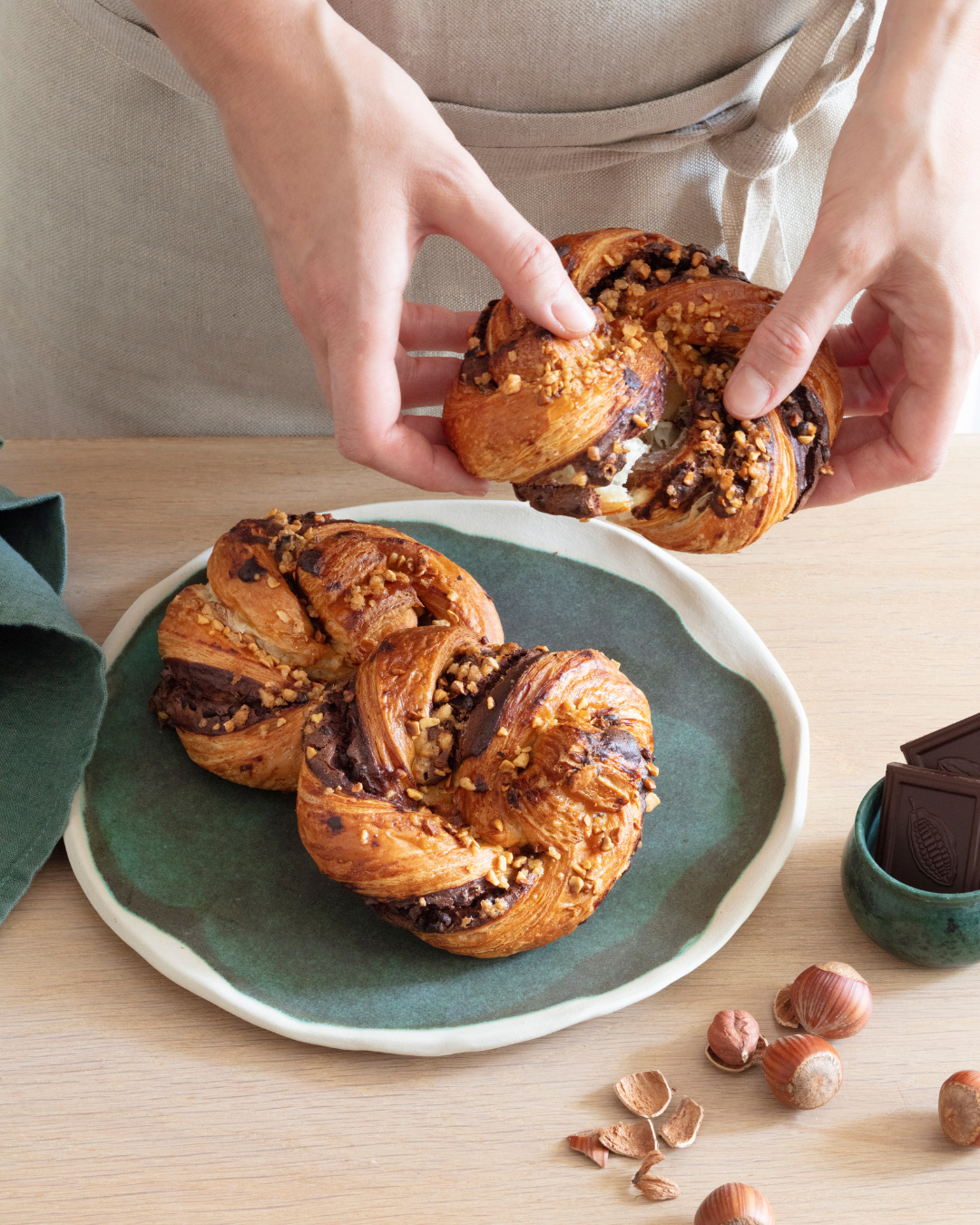
Include 2 to 3 vegan products alongside classic items, clearly identified on the menu or in your display windows. Vegan viennoiseries, plain or filled, will perfectly fit the bill for breakfast.
With an increase of 5% for vegan F&B launches² in the last five years, and bakery as the top category in launches , many options to choose from are now available!
Twist bestsellers into vegan versions: work from familiar formats such as sweet snacks and desserts. Think indulgent, think comforting! By the way, chocolate is the top flavor for plant-based launches (4%) followed by Vanilla (3%)¹.
Simplify recipes by removing non-essential animal-based ingredients. Many recipes can become vegan by removing one ingredient such as cheese or creamy sauce.
Lean on vegetables and plant-protein: Build complete recipes for lunch, adding vegetables, grains and plant-based proteins to sandwiches and buns recipes, to provide a balanced and appealing meal. With health as the first driver of buying plant-based food, 48% of consumers perceive plants as a healthier option².
Delicious recipes for a great success

What will I gain from it?
Drive customer traffic during slower period
Post-Christmas period, on top of cold weather, establishments are seeing less traffic, so promoting Veganuary to revitalize January can be a good idea. Consumers taking part in the challenge or following this lifestyle are looking for POS that support their vegan challenge, which generates an increase in visits and repeat customs.
According to Google, searches for #1 vegan cakes, #2 vegan bread, #3 vegan bakery and #4 vegan cookies were stable recording positive interest in the last 12 months³.

Modernize your brand image
Participating in Veganuary is a smart way to stay in tune with consumer expectations in terms of trends, creativity and sustainability. It also resonates well with younger audiences, who are shaping future demands.
Unlock long-term growth
Plant-based products are now a category. “Plant-based” has evolved throughout the years; what started as a go-to product for vegans turned into an interest in flexitarians, until crossing now far beyond mimicking meat and dairy as an alternative.
Now considered as a separate autonomous product, it must be taken into consideration to unlock growth for the future.
Glossary
Plant-based: Refers to foods and products derived exclusively from plant sources. In a culinary context, this term emphasizes the origin of ingredients rather than a complete lifestyle choice.
Vegan: A person who adopts a diet excluding all animal-derived products, including meat, fish, dairy, eggs, and honey. Veganism often extends beyond diet to encompass a complete lifestyle.
Vegetarian: A person who excludes meat and fish from their diet but may consume dairy products and eggs.
Flexitarian: A consumer who primarily follows an omnivorous diet but consciously reduces meat consumption by incorporating more plant-based meals. This group represents the largest segment of Veganuary participants.
Pescatarian: A person who excludes meat from their diet but consumes fish and seafood, as well as typically dairy products and eggs.
Plant-based proteins: Proteins derived from plant sources such as peas, beans, chickpeas, fava beans, soy, and lentils, used as alternatives to animal proteins in culinary preparations.
Dairy-free: Products that contain no ingredients derived from animal milk, such as butter, cream, cheese, or milk, often replaced by plant-based alternatives like almond, soy, or oat milk.
References:
At Délifrance, we've been analysing consumer behaviour and sentiment for years. As we do every year, we track consumer changes and adaptations through ongoing research, market research and analysis of online searches and conversations around the world using a variety of tools.
1 Source: Innova market insights, (2025): Ingredient focus | 2.Innova market insights, (2025): Innova trends survey | 3. Google trends, (2025): last 12 months